Why Perfume Longevity Differs: A Simple Explanation
You spray a scent at seven, by eleven it has vanished – a different bottle, applied the same way, still stays when you go to bed. That difference annoys almost everyone who wears fragrance. Why perfume longevity differs, it is not a mystery. It is a mix of science, raw materials, skin chemistry, and how you use perfume.
In this guide, we’ll break it all down in plain words. No confusing terms. No generic advice. Just real, practical insight.
What is “perfume longevity”?
Perfume longevity is the number of hours a fragrance remains detectable on your skin. Many fragrances fall into those periods:
- two-to-four hours is short,
- five-to-seven hours is moderate,
- eight-to-twelve hours or more is long-lasting.
longevity does not depend on price alone – it rests on formula strength, oil level, and how the blend reacts with your skin. Specialists at the Fragrance Foundation state that longevity shifts because perfumes are complex chemical blends, not simple scented water.
Why Some Perfumes Last All Day, and Others Don’t
Let’s compare the key reasons side by side.
Key Factors That Affect Perfume Longevity
| Factor | Long-Lasting Perfumes | Short-Lasting Perfumes |
| Concentration | High oil content | Low oil content |
| Ingredients | Heavy base notes | Mostly light notes |
| Skin Type | Normal to oily | Very dry skin |
| Application | Strategic pulse points | Random spraying |
| Quality | Well-blended formula | Poorly balanced |
Each factor plays a role. But some matter more than others.
1. Why Perfume Longevity Differs: Concentration Matters Most
The biggest reason why perfume longevity differs is concentration. Perfumes are sold in four main strengths.
- Perfume or Extrait holds twenty-to-thirty percent fragrance oil.
- Eau de Perfume holds fifteen-to-twenty percent.
- Eau de Toilette holds five-to-fifteen percent. Eau de Cologne holds two-to-five percent.
More oil slows evaporation – an Eau de Perfume often endures from breakfast to bedtime, while an Eau de Toilette can fade before noon. Data published in Perfumer & Flavorist confirms the same link – higher oil load, longer life.
2. Ingredients: Not All Notes Are Equal
Some materials stay on the skin for many hours – others disappear fast.
Quick-fading notes – lemon, bergamot, orange, airy florals, green leaf accords.
Slow-fading notes – oud, amber, musk, vanilla, patchouli, cedar, and other woods.
Perfumes built on strong base notes last longer because these molecules evaporate slowly. This is why many luxury fragrances focus heavily on base-note structure.
3. Skin Chemistry: Your Skin Matters More Than You Think
People often learn this only after disappointment – the same bottle that smells rich on your friend vanishes on you within minutes. Your skin type decides the life of the fragrance.
- Dry skin pulls the oil in, and the scent is gone soon.
- Oily or well-hydrated skin keeps the oil on the surface and releases it little by little.
The American Academy of Dermatology states that water stored in the upper skin layers slows evaporation. One unscented layer of moisturiser, spread on before you spray, helps a long-lasting perfume cling to the skin and release slowly throughout the day.
4. How You Apply Perfume Changes Everything
Many users waste good perfume without noticing.
Frequent mistakes –
- misting only fabric, rubbing the wrists,
- random over spraying.
Best places for long life –
- the sides of the neck
- the skin behind the ears
- the inner elbows
- the center of the chest
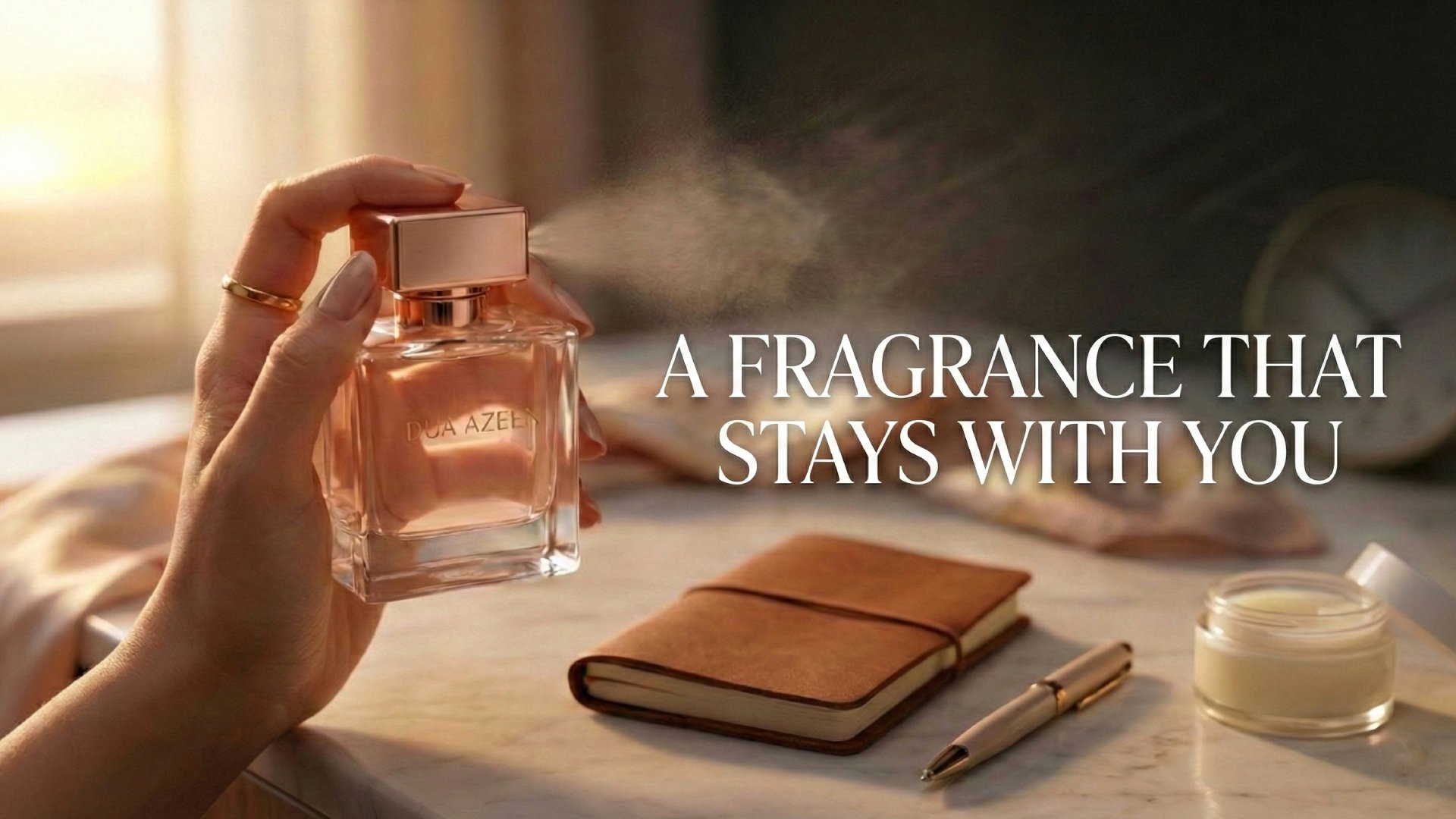
Those pulse points give off steady warmth – warmth lets the scent drift slowly. Applied correctly, even a moderate perfume can last much longer.
5. Price Is Not the Reason Why Perfume Longevity Differs
Cost alone misleads – a high price tag may bring endurance, but many do not.
What really matters is –
- The grade of the raw material.
- The percentage of perfume oil.
- The balance of the formula.
Some affordable brands aim for duration instead of brand noise – they limit marketing and put money into the formula itself.
Why Luxury-Inspired Scents Are Often Long-Lasting Perfumes
Luxury-inspired perfumes are built to mirror the skeleton of costly fragrances.
They lean on three things –
- a heavy base
- a high share of oil, and a steady
- timed release of scent.
Because of those three choices, many wearers now reach for those copies for daily wear.
How to Make Your Perfume Last All Day (Practical Tips)
You do not always need a new bottle – you need better habits.
What actually helps –
- Put scent on skin that already has lotion or balm
- Use two or three sprays only, but place them where body heat is steady
- Keep the bottle in a drawer or closet, away from the sun and radiator heat
- Pick EDP or Parfum strength instead of EDT
- Press, do not rub, after spraying
Choosing a Long-Lasting Perfume – What to Look For
Before you pay, ask four questions
- Is the label EDP or Perfume?
- Does the note list end with strong base notes like amber, musk, or resin?
- Does the copy or the box claim all-day wear?
- Does the brand state the wear time in hours?
If none of that data appears, treat the silence as a warning.
Longevity Is a Choice, Not Luck
Perfume longevity isn’t random, it is planned.
Once you know why perfume longevity differs, you stop wasting money on fragrances that fade too fast. And you start choosing perfumes that truly stay with you. If you like scents that feel rich, stay on your skin from morning to night, browse the range made for men, women plus anyone else.
Let us know – which perfume clung to your skin the longest?
Your fragrance should remain as long as your confidence.